
Research must serve the world, not just the academy.
Scholarship that remains trapped in journals accomplishes little. The most valuable research finds its way into decisions, enterprises, and policies.
About
I have always believed that the most important work happens at the boundaries between disciplines — where the precision of research meets the urgency of building something real.
This conviction has shaped every decision in my career: from the research questions I pursue to the ventures I build, from the stages I speak on to the students I mentor. It is a belief rooted not in theory alone, but in lived experience across two continents.
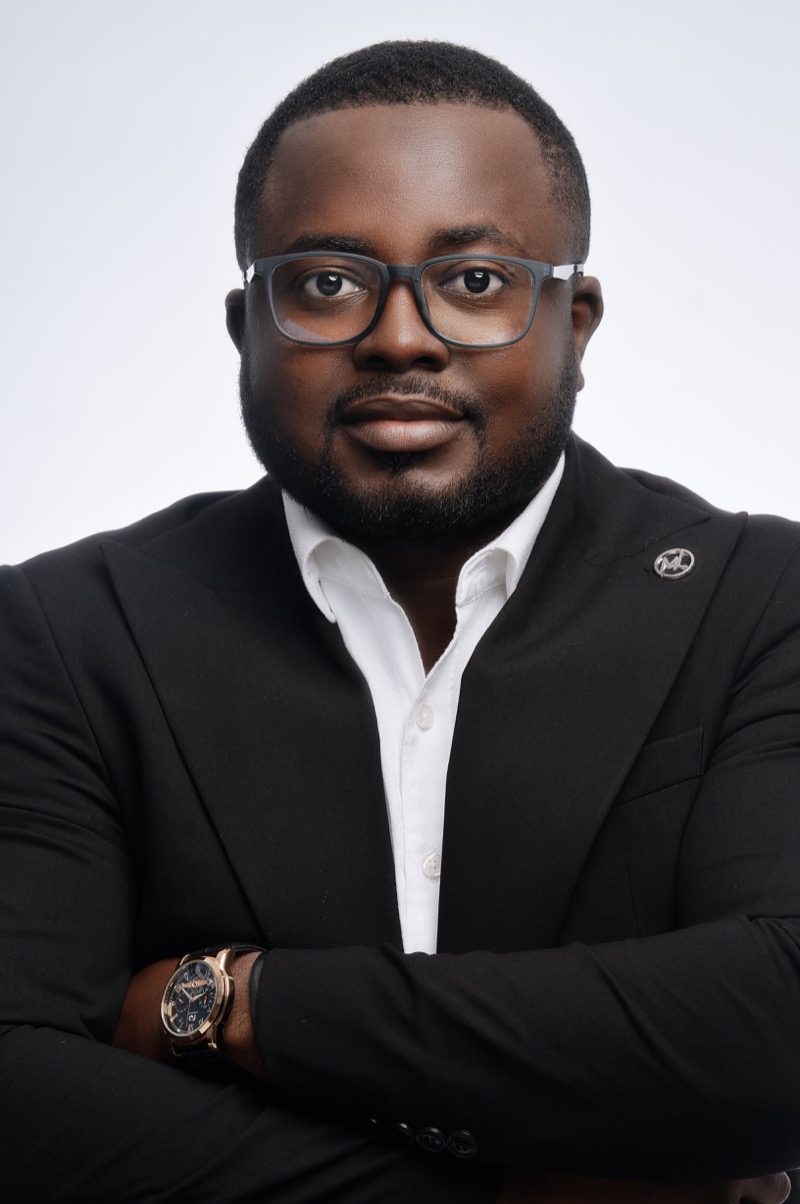
01 — The Story
I grew up in Northern Ghana, in a community where enterprise was not an abstract concept taught in business schools but a daily practice of survival and aspiration. Watching farmers negotiate land rights, traders navigate informal markets, and families pool resources for collective progress taught me something no textbook could: that sustainable development must emerge from the realities people live, not the models academics design.
This understanding carried me to Queen's University in Kingston, Ontario, where I pursued an MSc in Kinesiology and Health Studies. The research environment at Queen's gave me the methodological tools to examine the questions that had always animated me — questions about health behaviors, environmental stewardship, and how communities make decisions under constraint. But the academy also sharpened a tension I had long felt: the gap between what research reveals and what the world actually does with that knowledge.
That tension became the engine of my career. Rather than choose between the scholarly life and the entrepreneurial one, I decided to inhabit both. I founded Urbane Holdings as a multi-sector enterprise group — spanning land management, technology, consulting, and more — because the problems I cared about did not respect disciplinary boundaries, and the solutions would not either.
“The problems I cared about did not respect disciplinary boundaries, and the solutions would not either.”
Today, my work unfolds across these two worlds simultaneously. I publish peer-reviewed research, serve on the editorial board of the Journal of Planning and Land Management, and mentor emerging researchers. At the same time, I lead ventures that translate insight into infrastructure, turning academic understanding into operational capability.
The vision that guides all of this is straightforward: Africa's challenges are not deficits to be solved by outside expertise but opportunities to be seized by those who understand them most deeply. My role — as researcher, entrepreneur, and public intellectual — is to build the bridges between knowledge and action, between local insight and global impact.
02 — Background
Ph.D. in Kinesiology & Health Studies
Queen's University, Canada
MSc, Kinesiology & Health Studies
Queen's University, Canada
MSc, Land Governance & Policy
KNUST, Ghana
BSc, Land Management
University for Development Studies, Ghana
Research Associate & Ph.D. Candidate
Queen's University, Centre for Environmental Health Equity
Founder & Executive Chairman
Facio Innovations Technology
Co-founder & Director
Faciotech Foundation
Founder & Executive Chairman
Azunus Realty Consult
Disability & Inclusive Health
Water, Sanitation and Hygiene (WASH)
Water Security
Women's Empowerment & Social Protection
Social Innovation in Health
Neglected Tropical Diseases & Schistosomiasis
Land Tenure Security
Research & Evaluation
Mixed-methods design, scoping reviews, data analysis
Land Management & Governance
Tenure assessment, spatial analysis, policy advisory
Health & WASH Advisory
Water security, disability inclusion, social protection
Technology & Digital Strategy
Web platforms, CRM/ERP, SEO, capacity building
Grant Writing & Proposals
Research grants, project proposals, evidence documentation
03 — Principles
Scholarship that remains trapped in journals accomplishes little. The most valuable research finds its way into decisions, enterprises, and policies.
The challenges facing African communities demand solutions of extraordinary sophistication. Those who understand this complexity are best positioned to lead innovation globally.
The rigor of academic inquiry makes for better business decisions, and the urgency of enterprise keeps research honest and relevant.
The most intractable problems sit at the intersection of multiple fields. Solving them requires people willing to cross boundaries.
Whether publishing research, building a venture, or advising an organization: intellectual honesty, operational transparency, and commitment to the communities the work is meant to serve.
Community-engaged partnerships produce knowledge that is more rigorous, more relevant, and more likely to drive change. Proximity to the problem is the method.
For Press & Event Organizers
Download approved headshots, biographical text, and brand assets for press coverage, event programs, and editorial use.
This site uses cookies to enhance your experience. Essential cookies are always active. You can choose to accept or decline optional cookies. Read our cookie policy
Essential Cookies
Required for the site to function. Cannot be disabled.